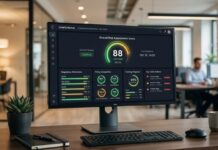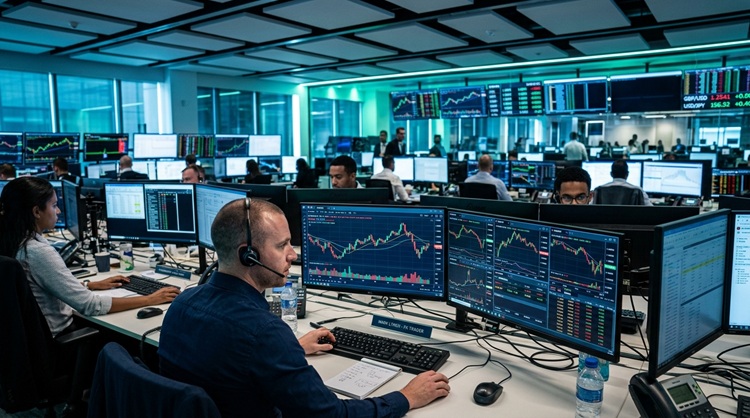
Cebu’s IT Park and Cebu Business Park have built a reputation for constant nighttime activity, with buses lining up outside glass towers as agents arrive for shifts timed to align with bosses working out of Sydney, London, or Los Angeles. This same group, accustomed to odd hours and long stretches staring at screens, has started spending downtime on activities beyond gaming or streaming. Today, small groups of agents meet before their shifts in food courts near Ayala Center Cebu to discuss price charts and not call quotas. CFD trading has found an especially loyal audience among this group, since the mechanics feel familiar to people who already spend their days working with dashboards, metrics, and real time performance targets.
A customer service agent accustomed to tracking average handling time and customer satisfaction ratings hour by hour would find little unfamiliar about watching a price move steadily in one direction on a chart. Accessibility matters as well, since contracts for difference provide exposure to an index, commodity, or stock without the higher capital cost of owning the underlying asset outright.
This spread has happened through word of mouth and not formal advertising. Team leaders and shift supervisors, often somewhat older and more financially established, tend to function as informal evangelists within their own departments. During a slow shift, a supervisor mentioning a small profit from recent trades tends to spark genuine curiosity among younger agents. This kind of word of mouth proves highly effective within a close knit BPO community, where workers often move between companies while keeping the same social networks intact.
Salary structure plays a role in this pattern as well. Steady earning agents like the idea of an extra income stream without a second job and often benefit from night differential pay and performance bonuses. Driving for a ride hailing company after hours demands significant time and energy, while trading can be monitored between calls or during short breaks, as brokers and financial educators are quick to point out, though divided attention often works against sound investment decisions.
Risk awareness varies considerably within this population. Some agents enter CFD trading with only small amounts of money they can afford to lose, using limited free time to learn technical analysis gradually. Others treat trading with the same casual mindset they bring to sports betting, chasing losses after a losing streak in ways that closely resemble gambling and not disciplined investing. Brokerages have taken notice, and some seminars in the area now focus specifically on leverage risks, since many participants come from backgrounds with little prior exposure to leveraged financial products.
Cebu’s role as both a tourism hub and outsourcing center adds another layer to this story. Foreign nationals working temporarily in the city sometimes share platforms and strategies informally with local colleagues over coffee near Fuente Osmeña, particularly those who already trade CFDs in their home countries. This kind of informal, in person exchange has spread knowledge across borders in ways online research alone rarely achieves. What is unfolding in Cebu is best understood as a natural response to the particular rhythm of outsourcing industry schedules. Schedules once viewed mainly as an obstacle to ordinary life have opened up a different kind of engagement with global markets, one trade and one shift at a time.